
About Anemone
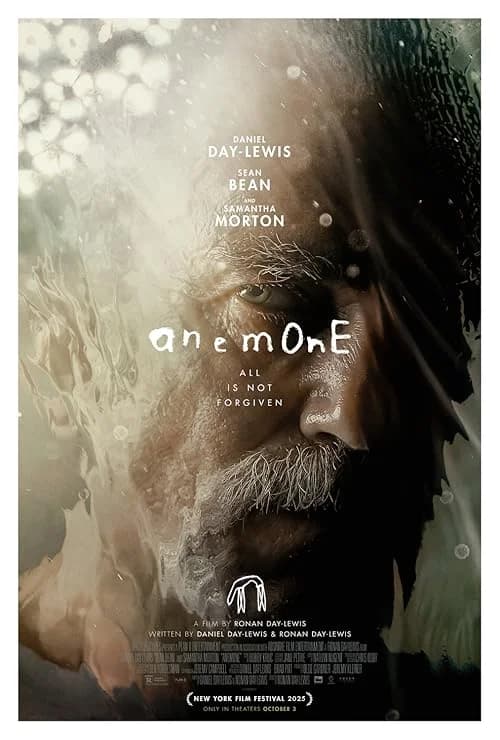
Anemone (2025) is a poignant Anglo-American drama that explores the fragile bonds of family and the weight of unresolved history. Set against the hauntingly beautiful backdrop of Northern England's woodlands, the film follows a man's determined journey to find his reclusive brother, a hermit who has withdrawn from society. Their reunion forces both to confront traumatic events from decades past that irrevocably altered their lives and relationship.
The film's strength lies in its atmospheric direction and compelling performances. The cinematography masterfully uses the dense, quiet woods as both a physical and metaphorical landscape, reflecting the characters' internal isolation and the tangled nature of their shared memories. The central performances are nuanced and raw, effectively portraying the silent grief, unspoken accusations, and flickering hope that define the brothers' encounter.
Directorially, Anemone opts for a slow-burn, character-driven approach. The pacing allows the tension and emotional subtext to simmer, making the eventual confrontations and revelations deeply impactful. While the IMDb rating of 5.6 suggests a divisive reception, fans of contemplative drama will appreciate its commitment to mood and psychological depth over conventional plot mechanics.
Viewers should watch Anemone for its authentic exploration of reconciliation and regret. It's a film that asks difficult questions about memory, responsibility, and whether fractured relationships can ever truly be mended. The 125-minute runtime is an immersive experience into a world of quiet desperation and the faint possibility of healing, making it a thoughtful choice for anyone seeking a substantive, performance-led drama.
The film's strength lies in its atmospheric direction and compelling performances. The cinematography masterfully uses the dense, quiet woods as both a physical and metaphorical landscape, reflecting the characters' internal isolation and the tangled nature of their shared memories. The central performances are nuanced and raw, effectively portraying the silent grief, unspoken accusations, and flickering hope that define the brothers' encounter.
Directorially, Anemone opts for a slow-burn, character-driven approach. The pacing allows the tension and emotional subtext to simmer, making the eventual confrontations and revelations deeply impactful. While the IMDb rating of 5.6 suggests a divisive reception, fans of contemplative drama will appreciate its commitment to mood and psychological depth over conventional plot mechanics.
Viewers should watch Anemone for its authentic exploration of reconciliation and regret. It's a film that asks difficult questions about memory, responsibility, and whether fractured relationships can ever truly be mended. The 125-minute runtime is an immersive experience into a world of quiet desperation and the faint possibility of healing, making it a thoughtful choice for anyone seeking a substantive, performance-led drama.